📚 Learn › Topics › Hibernation, Migration and Surviving Winter
❄️ Hibernation, Migration and Surviving Winter
Winter brings cold, snow and very little food. Animals have three main ways to get through it: they leave, they sleep, or they toughen up.
Migration: going somewhere warmer
Many birds migrate: they fly to warmer places for the winter and come back in spring. Geese fly in a V shape to save energy. Some animals migrate to find food or water instead: wildebeest and zebras follow the rain on the African savanna, and humpback whales swim from cold feeding seas to warm waters where their calves are born.
Hibernation: the big sleep
Some animals hibernate. Their body temperature drops, their heart beats very slowly and they live on stored fat. Marmots, hedgehogs and some bats truly hibernate. Bears go into a lighter winter sleep in a den; mother bears even give birth to cubs during this time.
Storing food
Squirrels bury nuts in autumn and dig them up in winter. Beavers store branches underwater near their lodge so they can eat even when the pond is frozen over.
Staying active
Other animals stay active and tough it out. Deer and wolves grow thick winter coats. Snow leopards and lynxes have big, furry paws that work like snowshoes. Some animals, like arctic foxes, turn white to match the snow.
Dry seasons are like winter too
In warm places, the hard time of year is often the dry season, not winter. Grass dries up and waterholes shrink, so animals travel to find water, and some frogs and fish bury themselves in mud until the rain returns.
🐾 Animals in this story
 Marmot
 Hedgehog
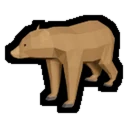 Bear
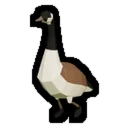 Goose
 Duck
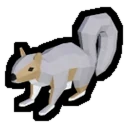 Squirrel
 Beaver
 Whale
 Zebra
 Snow Leopard
🧠 Quiz
❓ What does "hibernate" mean?
- To sleep deeply through the winter
- To fly south
- To swim fast
✅ Answer: A. To sleep deeply through the winter
Marmots can hibernate for up to 8 months.
❓ Why do squirrels bury nuts?
- To grow trees on purpose
- To eat them later in winter
- To hide them from rain
✅ Answer: B. To eat them later in winter
They are storing food for later.
❓ Where do many geese go in winter?
- To warmer places
- Into burrows
- To the bottom of lakes
✅ Answer: A. To warmer places
They migrate and come back in spring.
🎮 See it in Wild Valley: In Wild Valley, ducks and geese fly away in autumn and come back in spring, and marmots and hedgehogs sleep through the winter with their young.
🎮 Play Wild Valley