📚 Learn › Topics › Camouflage, Stripes and Warning Colours
🦎 Camouflage, Stripes and Warning Colours
The colours and patterns of animals are not just pretty. They help animals hide, show off, find each other or warn others to stay away.
Blending in
Camouflage means looking like your surroundings. A snow leopard's grey, spotted coat matches mountain rocks. A tawny lion is hard to see in dry grass. Many frogs are leaf-green, and owls look like tree bark.
Spots and stripes
Spots and stripes break up the outline of an animal so it is harder to see. A fawn's white spots look like sunlight on the forest floor. A tiger's stripes blend with tall grass. Scientists have several ideas about zebra stripes. One of the best supported is that stripes make it hard for biting flies to land.
Changing colours
Some animals change colour. Octopuses and squid can change in a fraction of a second, using special skin cells. Arctic foxes and snowshoe hares turn white in winter and brown in summer.
Bright on purpose
Some animals want to be seen. Bright colours can be a warning: "I am poisonous" or "I can sting". The stripes of a lionfish, the bold black and white of a skunk and the bright colours of poison dart frogs all say "stay away!" Hunters that get hurt once learn to leave them alone.
Showing off
Colours also help animals attract a mate. Male mallards have shiny green heads, while the brown females stay hidden on the nest. Flamingos get their pink colour from their food, and a bright pink flamingo is a well-fed flamingo.
🐾 Animals in this story
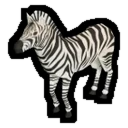 Zebra
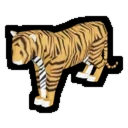 Bengal Tiger
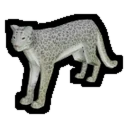 Snow Leopard
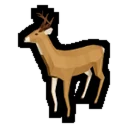 Deer
 Octopus
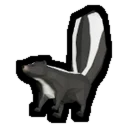 Skunk
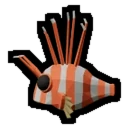 Lionfish
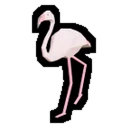 Flamingo
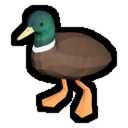 Duck
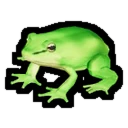 Frog
🧠 Quiz
❓ What does a fawn's spotted coat help it do?
- Hide in sunny, dappled shade
- Run faster
- Stay warm
✅ Answer: A. Hide in sunny, dappled shade
The spots look like patches of sunlight.
❓ What do bright warning colours often mean?
- I am tasty
- I am dangerous
- I am asleep
✅ Answer: B. I am dangerous
Warning colours tell hunters to stay away.
❓ How can an octopus change colour so fast?
- Special colour cells in its skin
- It paints itself
- It swims into ink
✅ Answer: A. Special colour cells in its skin
Its skin is full of colour cells it controls with its muscles.
🎮 See it in Wild Valley: Look closely at Wild Valley's animals: no two zebras, tigers or giraffes have exactly the same pattern, and many animals' coats are a little lighter or darker, just like real animals.
🎮 Play Wild Valley