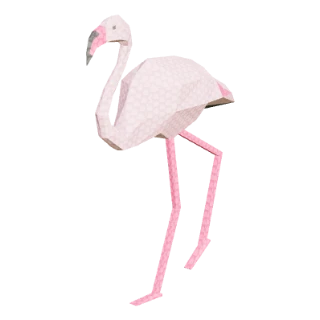
Flamingo
Phoenicopterus roseus (greater flamingo)
BirdIUCN: Least Concern
Flamingos are tall pink wading birds. They feed with their heads upside down, using their beak like a sieve. They often stand on one leg, which may help them save body heat and energy.
🌍 Where does it live?
Salty lakes, lagoons and mudflats in Africa, southern Europe and Asia.
🍽️ What does it eat?
Tiny shrimp, algae and other small creatures filtered from the water.
⚠️ Who are its enemies?
Eagles, jackals, hyenas and foxes; gulls and other birds take eggs and chicks.
🦴 Built for its life
Flamingos have very long legs for wading and webbed feet. Their bent beak works upside down, with comb-like plates that filter tiny food from the water. Their knee is actually the joint hidden in the feathers; the bend you see halfway down is the ankle.
🕒 A day in its life
Flamingos feed with their heads in the water, often stamping their feet to stir up food. They live in large flocks, preen a lot, and sometimes perform group "dances" where many birds march and turn their heads together.
👪 Family life
A pair builds a mud mound and lays one egg on top. Both parents feed the chick a special "crop milk".
💡 Did you know?
- Flamingos are pink because of the food they eat 🦐
- Flamingos eat with their heads upside down 🙃
- Flamingo chicks are grey and fluffy at first 🐣
- Both flamingo parents feed the chick with a kind of milk from their throat 🍼
- Flamingos live in huge groups called flamboyances 💖
🧠 Quick quiz
❓ Why are flamingos pink?
- They are painted by the sun
- From the color in the food they eat
- They are born pink
✅ Answer: B. From the color in the food they eat
Flamingos get their pink color from the shrimp and algae they eat. Chicks are grey at first.
🔗 Its place in the Wild Valley food web
Watches out for:
 Crocodile
Read more: What is a food chain? · Predators and prey
🎮 In Wild Valley: It lives in these worlds from the start: Savanna, Wetlands, Islands. Tap a flamingo in the game to see its card, then tap the 📖 book to come back to this page.
Its home habitats: 🌾 Savanna 🪷 Wetlands 🏝️ Islands and coral reefs
🎮 Play Wild ValleyMore birds to learn about
 Duck
 Chicken
 Eagle
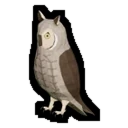 Owl
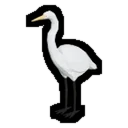 Cattle Egret
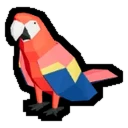 Parrot
 Seagull
 Penguin
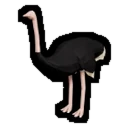 Ostrich
 Emu
 Goose
Facts are typical values for wild animals from zoo, museum and wildlife-science sources; real animals vary. IUCN = the International Union for Conservation of Nature Red List. Spotted a mistake? Tell us.