📚 Learn › Topics › Predators and Prey: Why Hunters Matter
🦁 Predators and Prey: Why Hunters Matter
A predator is an animal that hunts other animals for food. The animals it hunts are its prey. It can be sad to watch a hunt, but predators are an important part of a healthy natural world.
Ways to hunt
Hunters have many tricks. Cheetahs sprint in a short, very fast chase. Lions and wolves hunt as a team. Tigers, jaguars and crocodiles ambush: they hide and wait, then pounce. Owls hunt by sound in the dark, and eagles spot prey from high in the sky.
Ways to escape
Prey animals are not helpless. Gazelles and rabbits run and zig-zag. Zebras and wildebeest stay in big herds, where many eyes watch for danger. Porcupines and hedgehogs have spines, turtles have shells, and skunks spray. Many animals use camouflage to hide. Brave mothers often defend their babies, and a kick from a zebra or giraffe can hurt a lion.
Most hunts fail
Hunting is hard work. Lions catch their prey in only about a quarter of their hunts, and many other hunters fail even more often. A predator that is hurt, old or too tired may go hungry for days.
Keeping nature in balance
Predators usually catch animals that are young, old, sick or weak, which leaves stronger animals to have babies. They also stop plant-eaters from becoming so many that they eat all the plants. When wolves came back to Yellowstone National Park in the USA, elk changed where they grazed, and scientists saw some young trees growing back along the rivers. Scientists still study how big that change was, but it shows how every animal in a food web is connected.
Scavengers: nature's clean-up crew
Vultures, hyenas, crows, crabs and many insects eat animals that have already died. They stop dead bodies from spreading disease and return nutrients to the soil.
🐾 Animals in this story
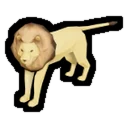 Lion
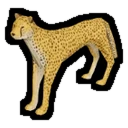 Cheetah
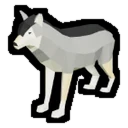 Wolf
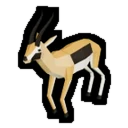 Gazelle
 Zebra
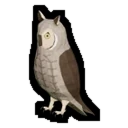 Owl
 Eagle
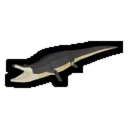 Crocodile
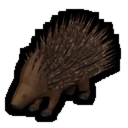 Porcupine
 Skunk
🧠 Quiz
❓ Which hunter usually hunts with a team?
- Cheetah
- Lion
- Owl
✅ Answer: B. Lion
Lionesses often work together.
❓ Why do zebras stay in big herds?
- Many eyes spot danger sooner
- They are cold
- To share stripes
✅ Answer: A. Many eyes spot danger sooner
There is safety in numbers.
❓ What do scavengers do?
- Eat animals that have already died
- Plant trees
- Only eat fruit
✅ Answer: A. Eat animals that have already died
They are nature's clean-up crew.
🎮 See it in Wild Valley: In Wild Valley the hunters choose their own prey. They usually pick the easiest animal, prey runs away from hunters it can see, and brave mothers sometimes chase a hunter away from their babies.
🎮 Play Wild Valley