📚 Learn › Topics › How Animals Talk to Each Other
📣 How Animals Talk to Each Other
Animals cannot speak like people, but they send each other messages all the time: with sounds, body language, smells and even colours.
Sounds
Lions roar to tell other lions "this land is ours". Wolves howl to gather the pack. Male humpback whales sing long songs. Each bottlenose dolphin has its own whistle, a bit like a name. Prairie dogs and some monkeys even have different alarm calls for different hunters.
Body language
A deer raises its white tail to warn others of danger. A rabbit thumps its back foot. Dogs and wolves wag their tails, flatten their ears or bow to say "let's play". Gazelles bounce high (pronking) to tell a hunter "I am fit, don't chase me".
Smell messages
Many animals leave scent marks to say who they are and where they live. Tigers spray trees, foxes and wolves mark trails, and peccaries rub scent on each other so the herd smells the same.
Touch
Monkeys and apes groom each other to make friends. Elephants touch and wrap their trunks around each other to greet and comfort.
Dances and colours
Honeybees do a "waggle dance" to tell other bees where to find flowers. Many birds show bright feathers or dance to attract a partner. Squid and octopuses flash colour patterns at each other.
🐾 Animals in this story
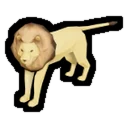 Lion
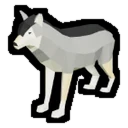 Wolf
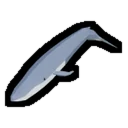 Whale
 Dolphin
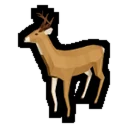 Deer
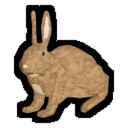 Rabbit
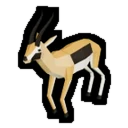 Gazelle
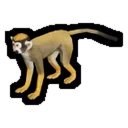 Monkey
 Elephant
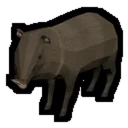 Peccary
🧠 Quiz
❓ Why does a lion roar?
- To tell others "this land is ours"
- Because it is hungry
- To call fish
✅ Answer: A. To tell others "this land is ours"
A roar can be heard about 8 km away.
❓ What does a gazelle tell a hunter by pronking?
- I am fit, don't chase me
- I am tired
- Let's play
✅ Answer: A. I am fit, don't chase me
It is a signal of strength.
❓ How do honeybees share where flowers are?
- A waggle dance
- Singing
- Drawing maps
✅ Answer: A. A waggle dance
The angle and length of the dance give directions.
🎮 See it in Wild Valley: Turn on the speech bubbles in Wild Valley to see what each animal is thinking, and listen: the animal calls are real recordings of real animals.
🎮 Play Wild Valley