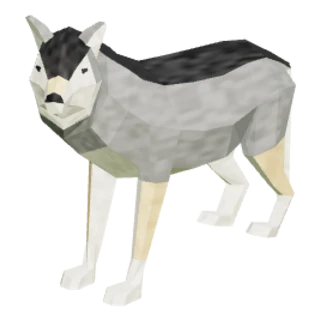
Wolf
Canis lupus
MammalIUCN: Least Concern
Wolves are the wild ancestors of dogs. They live in packs, which are usually a mother, a father and their grown-up children. Working together, a pack can hunt animals much bigger than one wolf.
🌍 Where does it live?
Forests, mountains, tundra and grasslands across North America, Europe and Asia.
🍽️ What does it eat?
Deer, elk, moose, bison, wild boar, beavers and hares.
⚠️ Who are its enemies?
Adults have few enemies apart from bears, other wolf packs and people.
🦴 Built for its life
Wolves have long legs for travelling far, big feet that act like snowshoes, a thick double coat and a strong sense of smell. Their teeth and jaws are made for gripping and tearing.
🕒 A day in its life
A wolf pack may travel tens of kilometres a day looking for prey. Wolves often hunt at dawn and dusk, testing a herd to find a weak animal. Back at the den or resting site, they play, rest together and howl.
👪 Family life
Pups are born in a den, blind and deaf. The whole pack helps feed them by bringing back meat.
💡 Did you know?
- Wolves can hear sounds from very far away 👂
- Wolf pups are born in a den and can’t see at first 🐺
- A wolf pack is usually a family — mom, dad and their pups 💗
- Wolves can travel very far in one day 🐾
- Wolves wag their tails when they are happy, like dogs 🐺
- Older brothers and sisters help babysit the pups 🐺
🧠 Quick quiz
❓ Why do wolves howl?
- To call the pack together and say "this is our land"
- Because they see the moon
- To catch fish
✅ Answer: A. To call the pack together and say "this is our land"
Howling keeps the pack in touch over long distances and warns other packs to stay away.
 Deer
 Elk
 Beaver
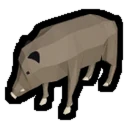 Wild Boar
 Bighorn Ram
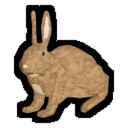 Rabbit
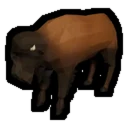 Bison
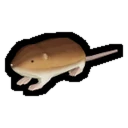 Marmot
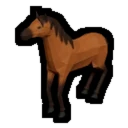 Horse
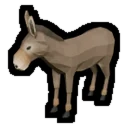 Donkey
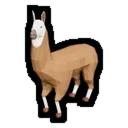 Llama
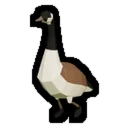 Goose
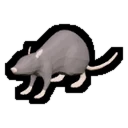 Rat
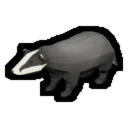 Badger
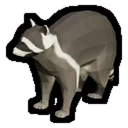 Raccoon
 Sheep
 Cow
🎮 In Wild Valley: It is not in any world at the start. Bring it to your world from 🌿 Nature energy → 🆕 New animals. Tap a wolf in the game to see its card, then tap the 📖 book to come back to this page.
🎮 Play Wild ValleyMore mammals to learn about
 Squirrel
 Fox
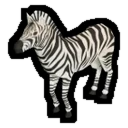 Zebra
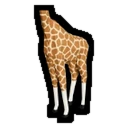 Giraffe
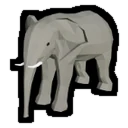 Elephant
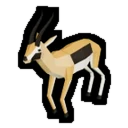 Gazelle
 Bear
Facts are typical values for wild animals from zoo, museum and wildlife-science sources; real animals vary. IUCN = the International Union for Conservation of Nature Red List. Spotted a mistake? Tell us.