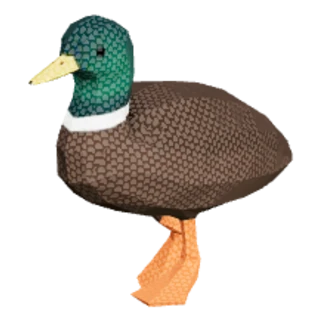
Duck
Anas platyrhynchos (mallard)
BirdIUCN: Least Concern
The mallard is the most common wild duck and the ancestor of most farm ducks. Males have a shiny green head, and females are speckled brown so they are hidden on the nest. Oil from a gland near the tail keeps their feathers waterproof.
🌍 Where does it live?
Lakes, ponds, rivers and marshes across North America, Europe and Asia.
🍽️ What does it eat?
Water plants, seeds, insects, snails and worms. They often feed by tipping tail-up.
⚠️ Who are its enemies?
Foxes, eagles, hawks, big fish and crocodiles; raccoons, foxes and snakes eat eggs.
🦴 Built for its life
Ducks have webbed feet for paddling, a flat bill with comb-like edges to strain food from water, and dense, oiled feathers with a layer of soft down underneath to keep warm and dry.
🕒 A day in its life
Ducks feed by dabbling and tipping tail-up, rest on the bank or on the water with their heads tucked into their feathers, and preen many times a day. They often sleep with one eye open.
👪 Family life
The female lays about 8 to 13 eggs and sits on them for about four weeks. Ducklings can walk and swim only hours after hatching, and they follow their mother everywhere.
💡 Did you know?
- Ducks’ feathers have oil that keeps them dry 💧
- Ducklings follow the first thing they see — usually mom! 🦆
- Special blood vessels keep ducks’ feet from freezing in icy water ❄️
- Some ducks dabble — they tip upside down to eat 🙃
- Ducks fly south in winter to find open water ❄️
🧠 Quick quiz
❓ How do ducks keep their feathers dry?
- They spread oil from a gland near the tail
- They never go under water
- They shake a lot
✅ Answer: A. They spread oil from a gland near the tail
Ducks preen oil over their feathers, so water rolls off them.
🔗 Its place in the Wild Valley food web
Watches out for:
 Ocelot
 Dingo
 Jackal
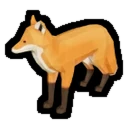 Fox
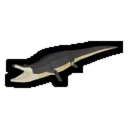 Crocodile
 Snake
 Eagle
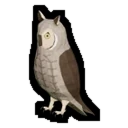 Owl
Read more: What is a food chain? · Predators and prey
🎮 In Wild Valley: It lives in these worlds from the start: Wild Valley, Wetlands, Mountains, Woodland. Tap a duck in the game to see its card, then tap the 📖 book to come back to this page.
Its home habitats: 🪷 Wetlands ⛰️ Mountains 🌳 Woodland 🌼 Wild Valley meadows
🎮 Play Wild ValleyMore birds to learn about
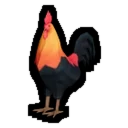 Chicken
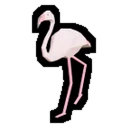 Flamingo
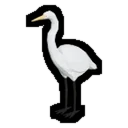 Cattle Egret
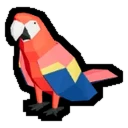 Parrot
 Seagull
 Penguin
 Ostrich
 Emu
 Goose
Facts are typical values for wild animals from zoo, museum and wildlife-science sources; real animals vary. IUCN = the International Union for Conservation of Nature Red List. Spotted a mistake? Tell us.