📚 Learn › Animals › Cattle Egret
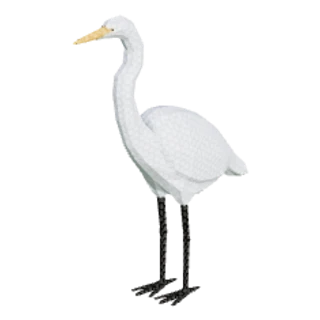
Cattle Egret
Bubulcus ibis (cattle egret)
BirdIUCN: Least Concern
Cattle egrets are small white herons that walk next to big grazing animals like buffalo, zebras and cows. As the big animals walk, they stir up insects, and the egrets catch them.
🌍 Where does it live?
Grasslands, farms and wetlands in warm parts of the world.
🍽️ What does it eat?
Grasshoppers, crickets, flies, frogs and other small animals.
⚠️ Who are its enemies?
Eagles, hawks and crocodiles; snakes and monkeys raid nests.
🦴 Built for its life
Cattle egrets are small, white herons with yellow bills and, in the breeding season, buff-orange feathers on the head and back. They have long legs and a long neck that strikes quickly.
🕒 A day in its life
Egrets walk beside grazing animals all day, snapping up insects. In the evening they fly in flocks to roost in trees, often near water.
👪 Family life
They nest in noisy colonies in trees near water. Both parents feed the chicks.
💡 Did you know?
- Cattle egrets catch bugs that big animals stir up 🦗
- Egrets grow fancy feathers in breeding season ✨
- Egrets stand very still, then spear food fast 🐦
🧠 Quick quiz
❓ Why do cattle egrets follow big animals?
- To catch the insects they stir up
- To ride on them only
- To drink their milk
✅ Answer: A. To catch the insects they stir up
This teamwork is good for the egret, and the egret sometimes eats ticks off the big animals too.
🔗 Its place in the Wild Valley food web
Watches out for:
 Crocodile
Read more: What is a food chain? · Predators and prey
🎮 In Wild Valley: It lives in these worlds from the start: Savanna. Tap a cattle egret in the game to see its card, then tap the 📖 book to come back to this page.
Its home habitats: 🌾 Savanna
🎮 Play Wild ValleyMore birds to learn about
 Duck
 Chicken
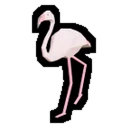 Flamingo
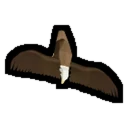 Eagle
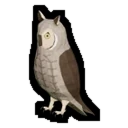 Owl
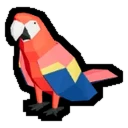 Parrot
 Seagull
 Penguin
 Ostrich
 Emu
 Goose
Facts are typical values for wild animals from zoo, museum and wildlife-science sources; real animals vary. IUCN = the International Union for Conservation of Nature Red List. Spotted a mistake? Tell us.