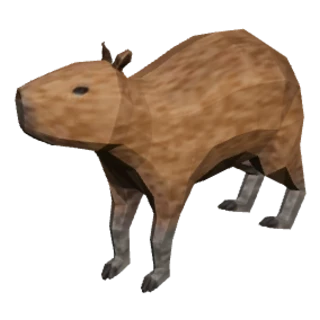
Capybara
Hydrochoerus hydrochaeris
MammalIUCN: Least Concern
The capybara is the largest rodent in the world, about as big as a big dog. It is a great swimmer with slightly webbed feet, and it can stay underwater for several minutes to hide.
🌍 Where does it live?
Grassy wetlands, rivers and lakes in South America.
🍽️ What does it eat?
Grasses and water plants.
⚠️ Who are its enemies?
Jaguars, pumas, caimans, anacondas and harpy eagles (young).
🦴 Built for its life
Capybaras have a barrel-shaped body, partly webbed feet, and eyes, ears and nostrils high on the head, like a hippo. They also eat their own droppings to get extra goodness from the grass.
🕒 A day in its life
Capybaras graze in the morning and evening and spend the hot hours wallowing in water or mud. Groups of 10 to 20 live together, and other animals, like birds, often sit on them.
👪 Family life
Capybaras live in groups. Babies can walk and graze soon after birth, and all the mothers in the group help look after them.
💡 Did you know?
- Capybaras are the biggest rodents in the world 🐹
- Capybaras have webbed feet for swimming 🦶
- Capybaras can sleep in the water with just their nose out 💤
- Lots of other animals like to sit on capybaras 🐦
- Capybaras live in friendly groups 💛
🧠 Quick quiz
❓ Where do capybaras run when danger comes?
- Into the water
- Up a tree
- Into a cave
✅ Answer: A. Into the water
They dive into the water and can stay hidden with only their eyes and nose sticking out.
🔗 Its place in the Wild Valley food web
Watches out for:
 Jaguar
 Cougar
 Ocelot
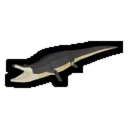 Crocodile
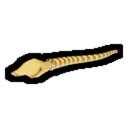 Snake
Read more: What is a food chain? · Predators and prey
🎮 In Wild Valley: It lives in these worlds from the start: Jungle, Wetlands. Tap a capybara in the game to see its card, then tap the 📖 book to come back to this page.
Its home habitats: 🌴 Rainforest 🪷 Wetlands
🎮 Play Wild ValleyMore mammals to learn about
 Rabbit
 Squirrel
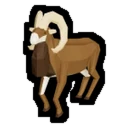 Bighorn Ram
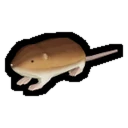 Marmot
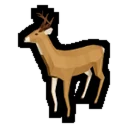 Deer
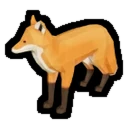 Fox
 Zebra
 Giraffe
 Elephant
 Gazelle
 Wild Boar
 Bear
Facts are typical values for wild animals from zoo, museum and wildlife-science sources; real animals vary. IUCN = the International Union for Conservation of Nature Red List. Spotted a mistake? Tell us.