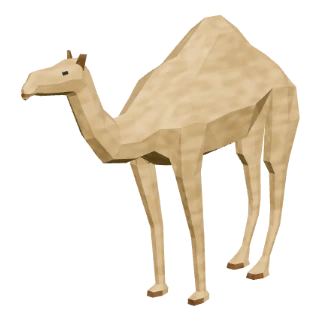
Camel
Camelus dromedarius (dromedary)
MammalFarm or pet animal
Camels are made for the desert. The hump stores fat, not water, and camels can go many days without drinking. When they do drink, they can gulp more than 100 litres in a few minutes.
🌍 Where does it live?
Deserts of North Africa and the Middle East; almost all camels today live with people.
🍽️ What does it eat?
Desert grasses, leaves, thorny plants and dry twigs.
⚠️ Who are its enemies?
Wolves, lions and hyenas once hunted wild camels; most camels now live on farms.
🦴 Built for its life
Camels have thick lips that can eat thorny plants, long eyelashes and slit-like nostrils that close against sand, and wide, padded feet that do not sink into sand. They can let their body temperature rise during the day, so they lose less water by sweating.
🕒 A day in its life
Camels walk long distances across the desert, eating whatever plants they find. In the heat of the day they sit with their legs folded under them, facing the sun so less of their body is in its rays. They can go days or even weeks without drinking.
👪 Family life
A mother has one calf after more than a year of pregnancy. The calf can walk within hours.
💡 Did you know?
- Camel humps store fat, not water 🐫
- Camels can close their nostrils in sandstorms 🌪️
- Camels have long eyelashes to keep sand out 👁️
- Camels can drink a lot of water very fast 💧
- Wide padded feet help camels walk on sand 🦶
🧠 Quick quiz
❓ What is inside a camel's hump?
- Water
- Fat
- Sand
✅ Answer: B. Fat
The hump is a store of fat that the camel can use for energy when food is scarce.
🔗 Its place in the Wild Valley food web
Watches out for:
 Lion
 Dingo
 Crocodile
Read more: What is a food chain? · Predators and prey
🎮 In Wild Valley: It is not in any world at the start. Bring it to your world from 🌿 Nature energy → 🆕 New animals. Tap a camel in the game to see its card, then tap the 📖 book to come back to this page.
🎮 Play Wild ValleyMore mammals to learn about
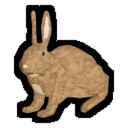 Rabbit
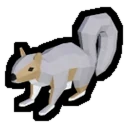 Squirrel
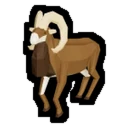 Bighorn Ram
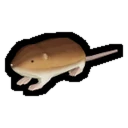 Marmot
 Deer
 Fox
 Zebra
 Giraffe
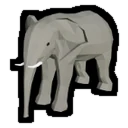 Elephant
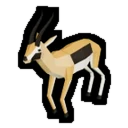 Gazelle
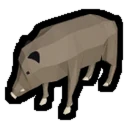 Wild Boar
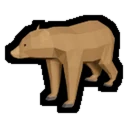 Bear
Facts are typical values for wild animals from zoo, museum and wildlife-science sources; real animals vary. IUCN = the International Union for Conservation of Nature Red List. Spotted a mistake? Tell us.