📚 Learn › Habitats › The open ocean
🌊 The open ocean
The ocean covers about 70% of the Earth. It is home to the biggest animal that ever lived, the blue whale, and to countless tiny creatures too small to see.
Tiny plankton, giant importance
The ocean food chain starts with plankton: tiny plants and animals that drift in the water. Plant plankton make food from sunlight and produce a large share of the oxygen in the air. Krill and tiny fish eat plankton, and they in turn feed fish, penguins, seals and even huge whales.
Mammals in the sea
Whales, dolphins, seals and manatees are mammals. They breathe air, so they must come to the surface, and they feed their babies milk. Dolphins and toothed whales find food by echolocation: they make clicks and listen for the echoes.
Long journeys
Many sea animals travel very far. Humpback whales swim thousands of kilometres between cold feeding waters and warm waters where their calves are born. Sea turtles cross whole oceans and come back to the beaches where they hatched to lay their own eggs.
Keeping the ocean healthy
Plastic, oil and overfishing can harm sea life. Turtles can mistake plastic bags for jellyfish. Using less plastic and protecting marine parks helps ocean animals thrive.
🔗 A food chain from this habitat
The arrow means "is eaten by". Energy from the sun goes into plants, then to the plant-eater, then to the hunter. Learn about food chains.
Animals you can meet here in Wild Valley
 Seagull
 Sea Turtle
 Crab
 Fish
 Dolphin
 Whale
 Moon Jellyfish
 Portuguese Man o' War
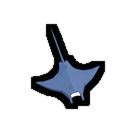 Manta Ray
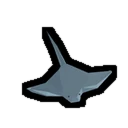 Spotted Eagle Ray
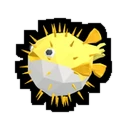 Pufferfish
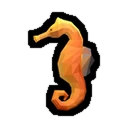 Seahorse
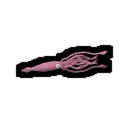 Squid
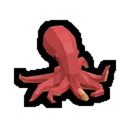 Octopus
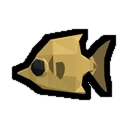 Yellow Tang
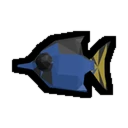 Blue Tang
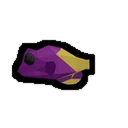 Royal Gramma
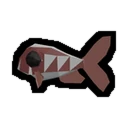 Cardinalfish
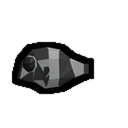 Black Clownfish
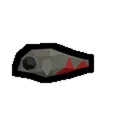 Neon Tetra
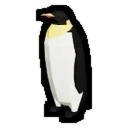 Penguin
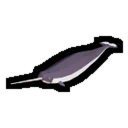 Narwhal
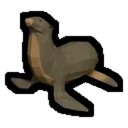 Sea Lion
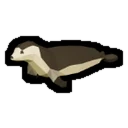 Harbor Seal
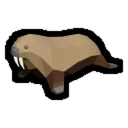 Walrus
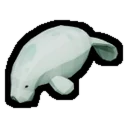 Manatee
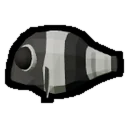 Clownfish
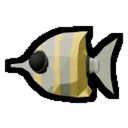 Butterflyfish
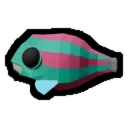 Parrotfish
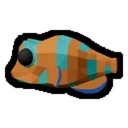 Mandarinfish
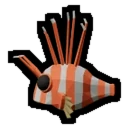 Lionfish
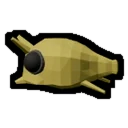 Cowfish
 Shark
🎮 In Wild Valley: Along the coast of every Wild Valley world you can watch dolphins leap, whales blow, sea turtles nest and gulls dive for fish. Bring in sea life such as jellyfish, rays and octopuses from the shop.
🎮 Play Wild Valley